
What are the Different Kinds of Valves?
Valves are fundamental mechanical components used to control, regulate, or direct the flow of liquids, gases, and slurries within piping systems. They play a central role in maintaining operational stability, managing pressure, and supporting safety requirements across residential, commercial, and industrial environments. From simple household plumbing networks to large-scale industrial processing facilities, valves function as control points that allow systems to operate reliably under varying conditions.
Each valve type is engineered with a specific function in mind, whether that function involves isolating sections of piping, regulating flow rates, preventing backflow, or handling abrasive and solid-laden media. Factors such as pressure range, temperature exposure, fluid composition, and frequency of operation influence valve selection. Material choice, internal geometry, and actuation method all contribute to how a valve performs over time. The following valve types represent some of the most widely used designs in modern fluid-handling systems.
Gate Valves
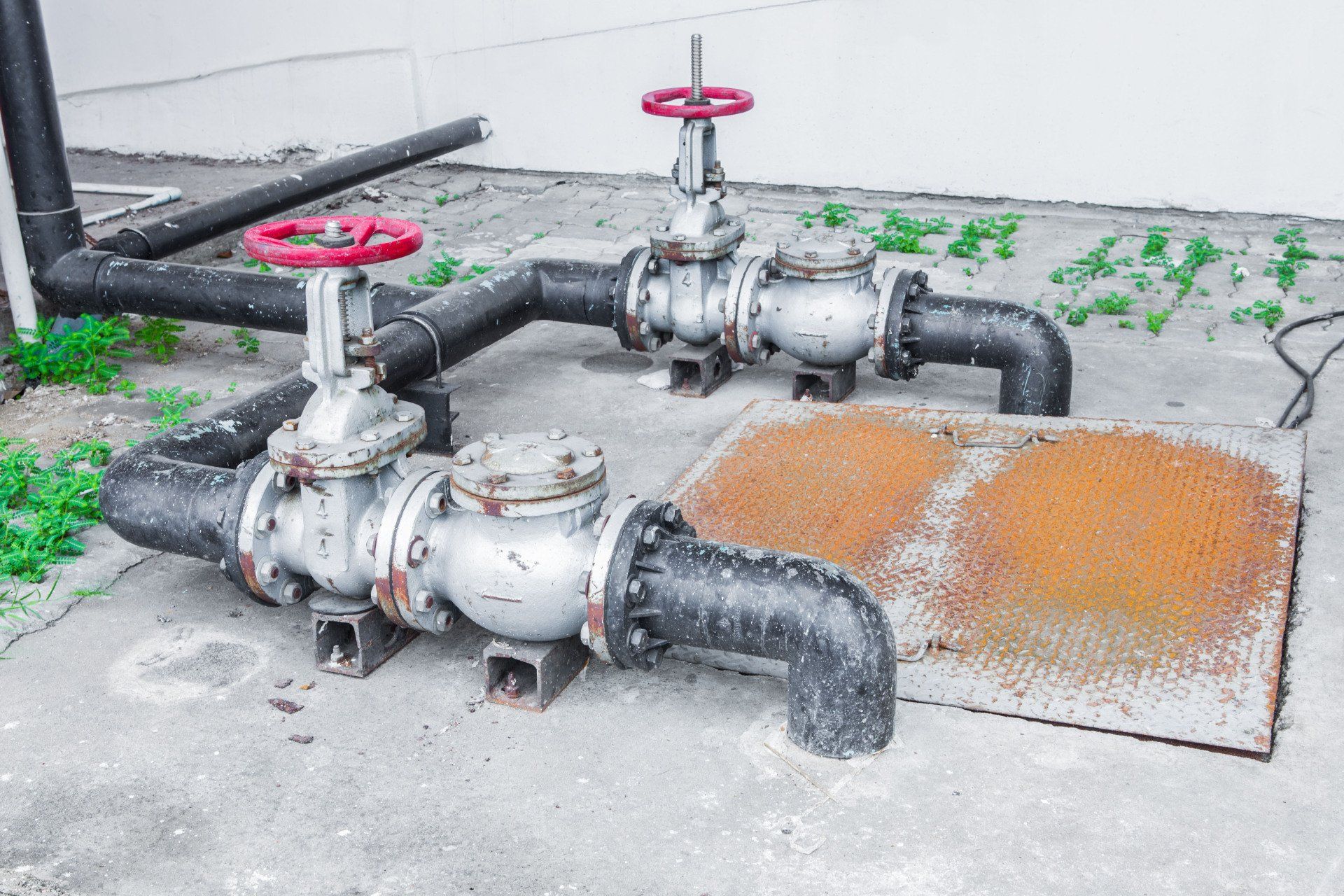
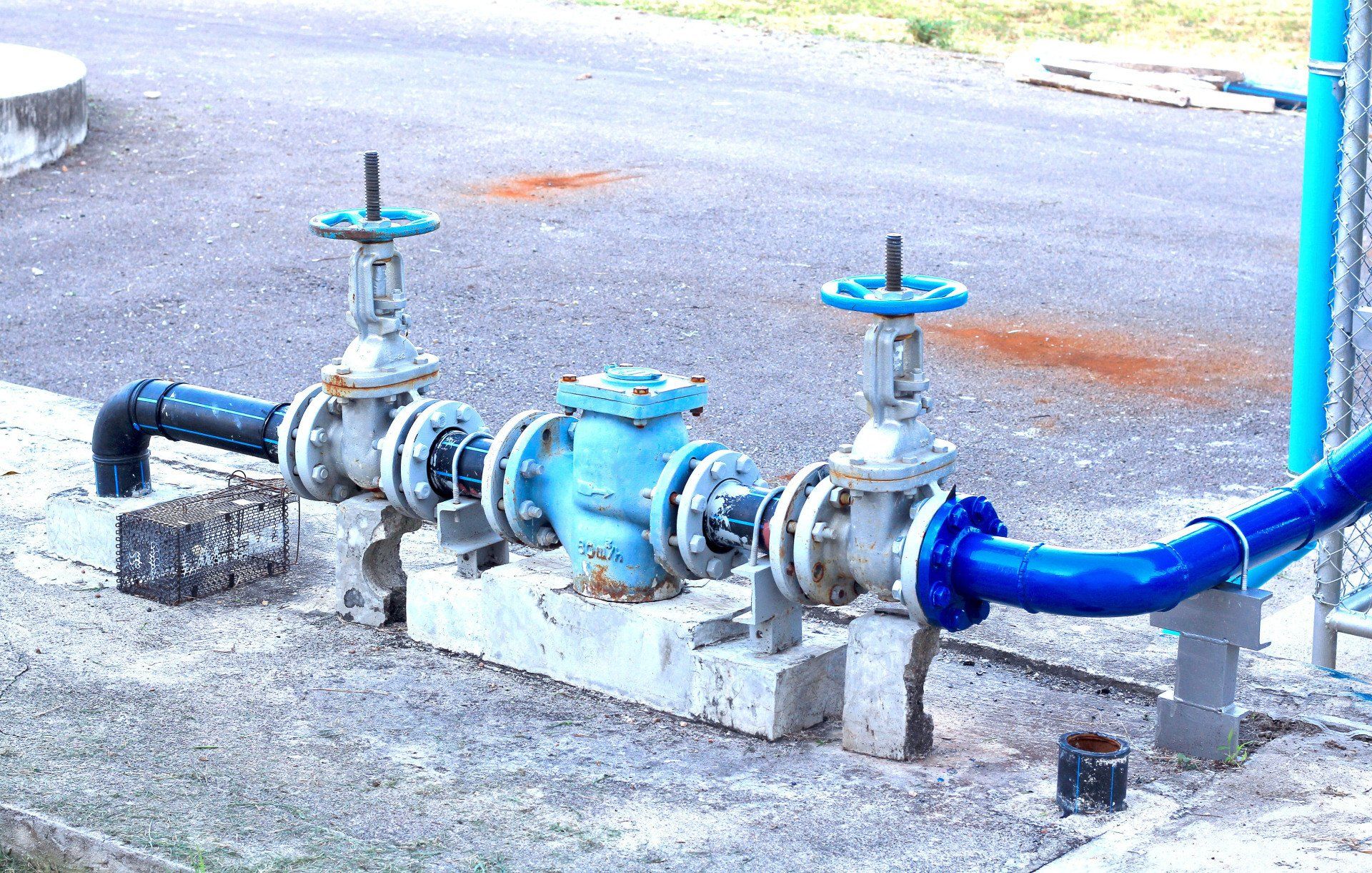
Gate valves function by raising or lowering a flat or wedge-shaped gate that moves perpendicular to the direction of flow. When the valve is fully open, the gate is completely removed from the flow path, creating a straight-through passage that allows fluid to move with minimal resistance. This design makes gate valves particularly effective in applications where pressure drop must remain low and uninterrupted flow is desirable.
Because of their construction, gate valves are best suited for on/off service rather than flow regulation. Operating a gate valve in a partially open position can lead to vibration, uneven wear, and reduced sealing performance. As a result, these valves are most commonly installed in systems where flow control adjustments are not required, such as municipal water distribution lines, oil and gas transmission pipelines, and large industrial process systems. Their ability to provide tight shutoff in both directions makes them a dependable choice for isolation purposes.
Globe Valves
Globe valves are designed for applications that require accurate and repeatable flow control. They use a movable disc or plug that presses against a stationary seat to regulate the amount of fluid passing through the valve. The internal flow path forces the fluid to change direction, which allows for precise adjustments in flow rate.
This internal geometry results in higher pressure loss compared to gate or ball valves, but the trade-off is superior control. Globe valves are frequently used in systems where throttling is necessary, such as cooling water circuits, steam distribution networks, fuel oil lines, and chemical processing operations. Their consistent performance makes them well-suited for environments where maintaining stable flow conditions is critical to overall system function.
Ball Valves
Ball valves operate using a spherical ball with a drilled passage that rotates inside the valve body. When the ball’s opening aligns with the pipeline, fluid flows freely through the valve. A quarter-turn of the handle or actuator rotates the ball to block the passage, providing rapid and reliable shutoff. This simple operating principle allows for quick response and straightforward operation.
Ball valves are valued for their strong sealing capability, durability, and low maintenance requirements. They are commonly used in applications that involve frequent cycling or require immediate isolation, such as industrial processing lines, gas distribution systems, and plumbing installations. Their widespread adoption is reflected in market data, as the ball valve market was expected to account for 25.4% of the overall valve market share at the end of 2025, according to Coherent Market Insights. While ball valves perform exceptionally well for on/off control, they are generally avoided in throttling applications, as partially open positions can accelerate seat wear.
Butterfly Valves
Butterfly valves regulate flow using a circular disc mounted on a central shaft. Rotating the shaft positions the disc either parallel to the flow for full opening or perpendicular to the flow for closure. This quarter-turn operation allows butterfly valves to open and close quickly with minimal actuation effort.
Their compact profile and lightweight construction make butterfly valves especially useful in large-diameter piping systems where space constraints or weight limitations exist. They are commonly installed in water treatment facilities, HVAC systems, fire protection networks, and industrial processing lines. Although butterfly valves are efficient and cost-effective for many applications, selecting appropriate materials and seat designs is important when dealing with higher pressures or abrasive fluids.
Check Valves
Check valves are automatic valves designed to allow fluid to flow in only one direction while preventing reverse flow. They rely on internal components such as discs, balls, or swing mechanisms that open under forward pressure and close when flow reverses. Because they operate without manual or external control, check valves add a passive layer of protection to piping systems.
These valves are essential for safeguarding pumps, compressors, and other equipment from damage caused by backflow. They are widely used in wastewater treatment systems, irrigation networks, steam and condensate lines, and industrial process piping. Proper sizing and placement are important, as incorrect selection can lead to issues such as valve chatter, excessive pressure loss, or premature wear under fluctuating flow conditions.
Knife Gate Valves
Knife gate valves are specifically designed to handle thick fluids, slurries, and media containing suspended solids. They use a sharp-edged blade that moves vertically to cut through the material as the valve closes. This cutting action allows knife gate valves to operate effectively in environments where traditional valve designs may clog or fail.
These valves are commonly used in wastewater treatment plants, mining operations, pulp and paper processing facilities, and bulk material handling systems. Knife gate valves are generally used for isolation rather than flow control, as their design prioritizes the ability to shut off challenging media. Their simple construction and direct operation make them a practical solution in applications involving abrasive or fibrous materials.
Pinch Valves
Pinch valves control fluid flow by compressing a flexible elastomer sleeve within the valve body. When the sleeve is pinched closed, flow stops completely, and when released, the sleeve returns to its original shape to allow flow. Because the fluid only contacts the internal sleeve, the valve body and mechanical components remain protected from corrosion and abrasion.
This design makes pinch valves particularly effective for handling abrasive, corrosive, or particulate-laden fluids. They are commonly used in chemical processing, mining operations, food production facilities, and slurry transport systems. Maintenance is relatively straightforward, as replacing the sleeve restores full valve functionality without the need for extensive disassembly or specialized tools.
Understanding the differences between valve types plays a key role in designing, operating, and maintaining reliable fluid-handling systems. Each valve discussed serves a distinct purpose, from isolating flow and regulating pressure to preventing backflow and managing abrasive or solid-laden media. Selecting the right valve involves more than matching size and connection type; it requires evaluating operating conditions such as pressure ranges, temperature exposure, flow characteristics, and the nature of the fluid itself.
Gate and ball valves are commonly chosen for dependable shutoff, while globe valves provide precise flow control where modulation is required. Butterfly valves offer space-saving advantages in large-diameter systems, and check valves protect equipment by maintaining proper flow direction. For demanding environments involving slurries or corrosive materials, knife gate and pinch valves deliver practical solutions that support system reliability and simplified maintenance.
When valves are selected with their intended function in mind, systems operate more efficiently, experience fewer failures, and benefit from longer service life. Whether used in industrial processing, municipal infrastructure, or specialized applications, understanding valve performance characteristics helps support sound engineering decisions and long-term operational stability. To learn more about what options you have, contact Hi Teck Valve Inc.
Share On: