
Pipeline Straining and the Tools the Process Requires
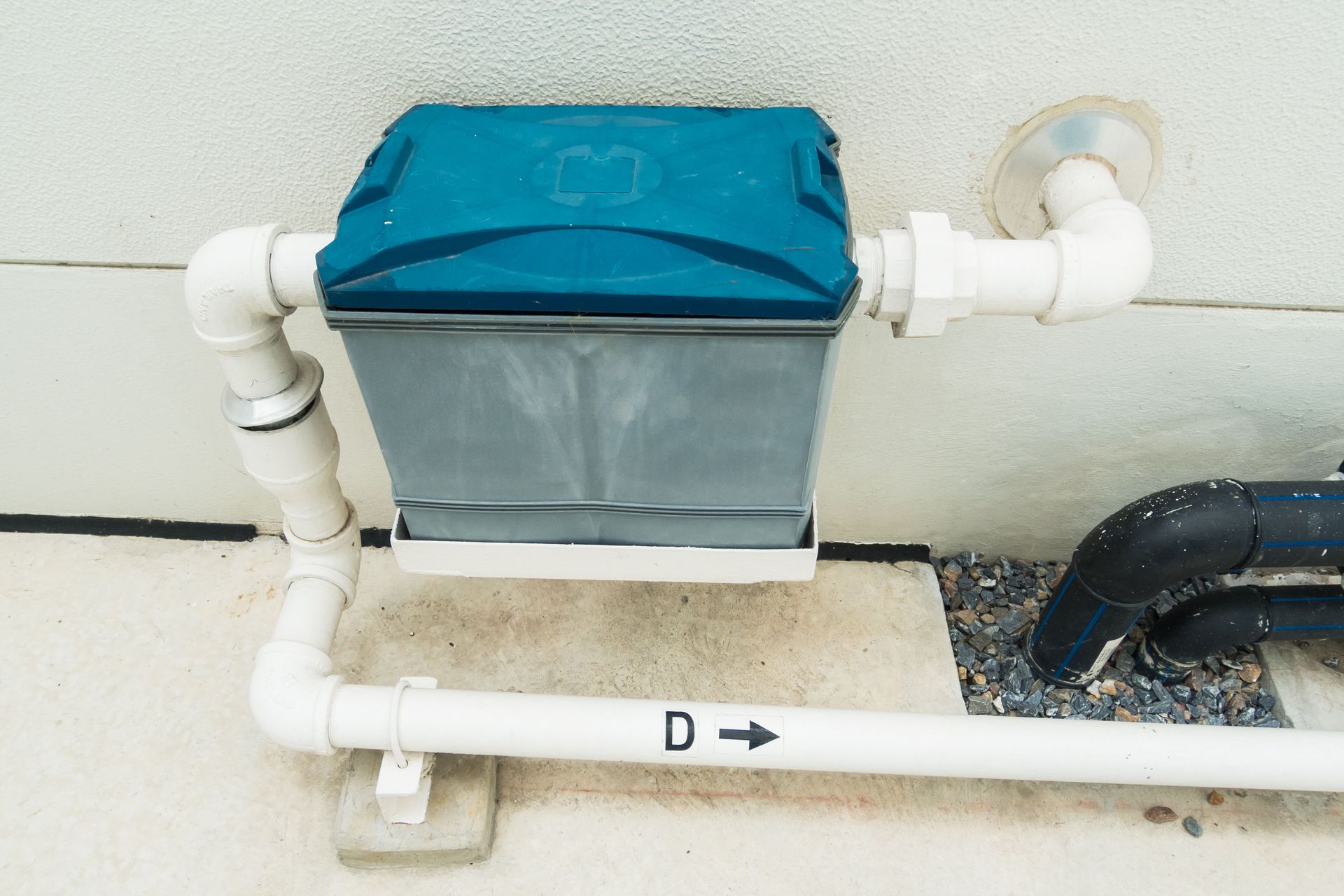
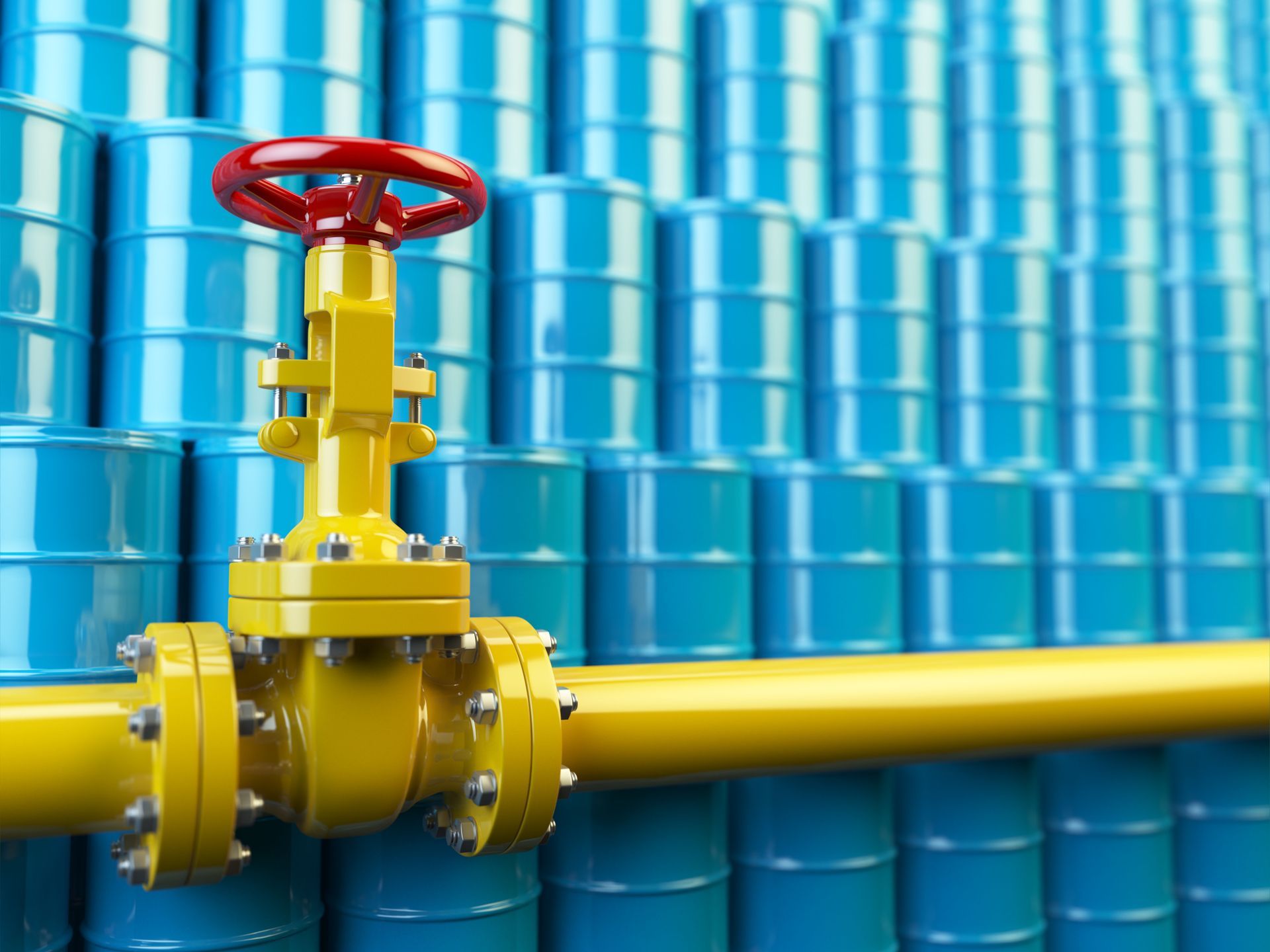
In the world of infrastructure, pipelines play an essential role in transporting oil, gas, and other fluids over long distances efficiently and safely. However, the integrity of these pipelines can be compromised over time due to various factors, putting both people and the environment at risk. One of the most crucial aspects of pipeline management is ensuring that these essential lifelines remain in optimal condition, free from straining, leaks, or ruptures. This article delves into the complexities of pipeline straining, highlighting the tools required to maintain their integrity and avert potential disasters, including critical components such as a pipeline strainer.
Corrosion Preventatives and Maintenance
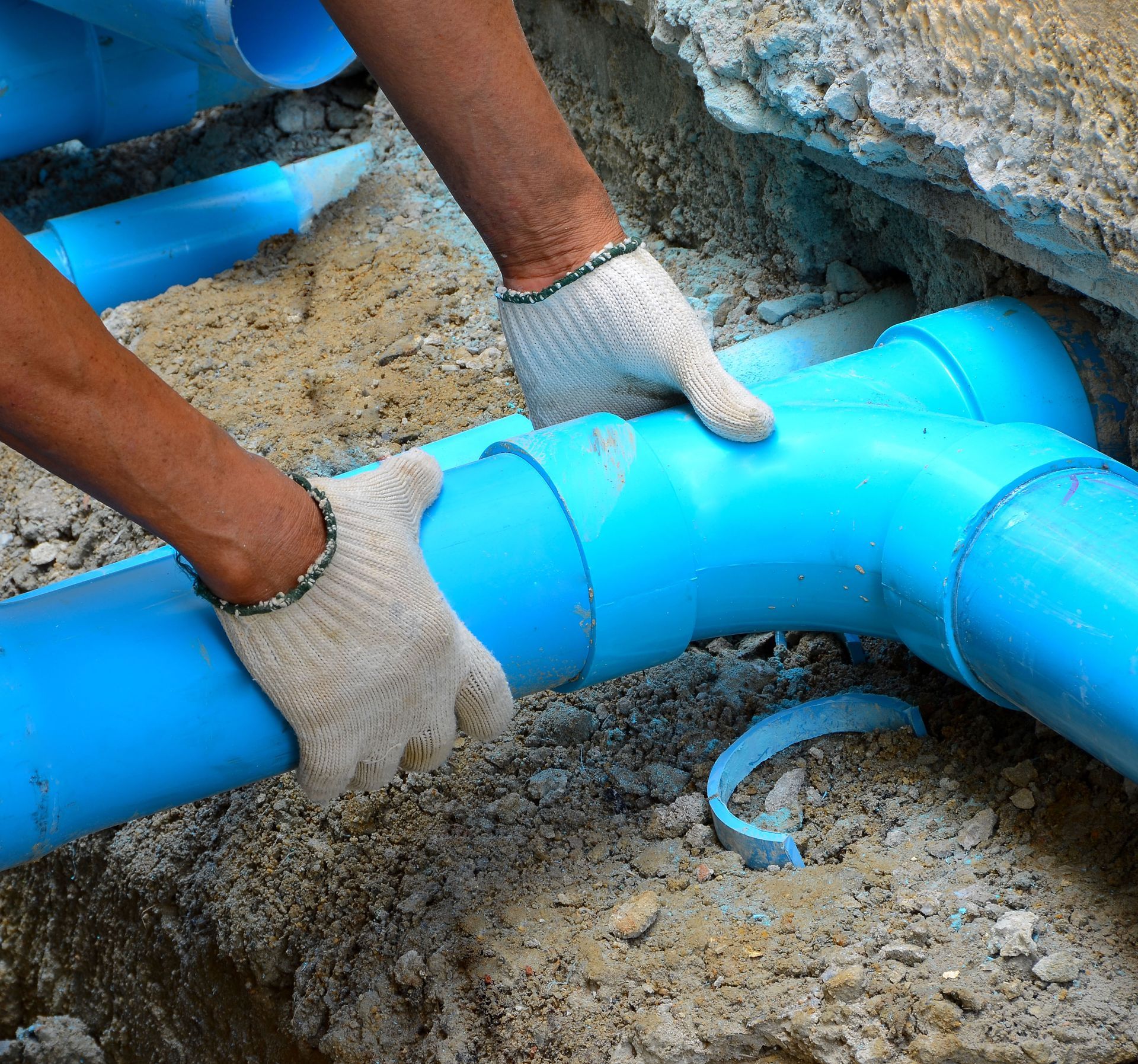
One of the major challenges pipelines face is corrosion, which can lead to significant damage if not properly managed. According to Statista, corrosion was responsible for 295 accidents whereby people and the environment were negatively impacted between 2010 and 2020 alone. This staggering statistic underscores the importance of implementing effective monitoring and maintenance strategies. Anti-corrosion coatings, cathodic protection, pipeline strainer, and regular inspections using advanced technologies are some of the tools that help mitigate the risk of corrosion and prolong the lifespan of pipelines.
Mechanical and Environmental Monitoring
In addition to corrosion, mechanical damage and environmental factors contribute to pipeline straining. Ground movement due to natural disasters or construction activities can impose significant stress on pipelines, potentially leading to misalignments or ruptures. Tools like strain gauges and robotic inspection devices allow for the detection of changes in pipeline pressure and shape, providing valuable data to predict and prevent failures. Employing such technology ensures that pipelines remain resilient against both man-made and natural challenges.
Pattern Recognition and Data Analytics
Data analytics also plays a pivotal role in maintaining pipeline integrity. By analyzing data collected through various monitoring systems, operators can identify patterns and predict potential issues before they become critical. Predictive maintenance, supported by machine learning algorithms, offers insights into wear and tear trends, enabling preemptive repairs and minimizing downtime. The integration of these advanced tools not only enhances the safety and reliability of pipeline operations but also optimizes their efficiency and cost-effectiveness.
The challenge of maintaining pipeline integrity requires a multifaceted approach utilizing both traditional and cutting-edge tools. As the demand for energy and resources continues to grow, so does the need for robust pipeline management strategies. By combining effective monitoring techniques, preventive maintenance, and essential equipment such as a pipeline strainer, operators can ensure that pipelines remain a safe and reliable component of infrastructure. A future-focused approach will not only prevent accidents and environmental harm but also support sustainable growth and development. Protect your pipeline systems today by contacting Hi Teck Valve Inc.
Share On: