
Choosing the Right Valves for Industry
Industrial systems depend on reliable components to control the movement of liquids, gases, steam, and other process materials. From manufacturing facilities and energy operations to water treatment plants and chemical processing environments, selecting suitable flow-control equipment helps support safe operation, consistent performance, and efficient production. Each application has distinct requirements, so choosing equipment based on operating conditions is essential.
The right valves help regulate flow, manage pressure, isolate equipment, and support maintenance procedures. Factors such as fluid properties, temperature, pressure, connection type, material compatibility, and operating frequency all influence which design is appropriate. Understanding these considerations helps engineers, facility managers, and purchasing teams make informed decisions that align with system requirements and applicable industry standards.
Understanding Operating Conditions
Before selecting equipment, it is important to understand the conditions in which it will operate. Pressure and temperature are two primary considerations because each component has defined limits. Equipment that is unsuitable for the system's operating range may experience premature wear, leakage, or failure, potentially affecting production and creating safety concerns.
The fluid itself also matters. Water, oil, steam, corrosive chemicals, and gas mixtures can interact differently with internal components and body materials. A material that performs well in one application may be unsuitable for another because of corrosion, chemical reactions, or temperature limitations. Reviewing the fluid's composition and characteristics helps narrow the available options.
Flow requirements should also guide the selection process. Some systems need precise regulation, while others require dependable isolation or rapid shutoff. Engineers must consider expected flow rates, pressure drops, and how the equipment will interact with pumps, pipes, and other system components. Selecting a design that matches the intended function helps maintain predictable system behavior.
Operating frequency, maintenance access, service life, and potential downtime all influence equipment selection. Evaluating these factors alongside system requirements helps decision-makers compare valves based on performance and material compatibility rather than initial cost alone, supporting reliable operation and long-term value for industrial applications.
Comparing Common Valve Designs
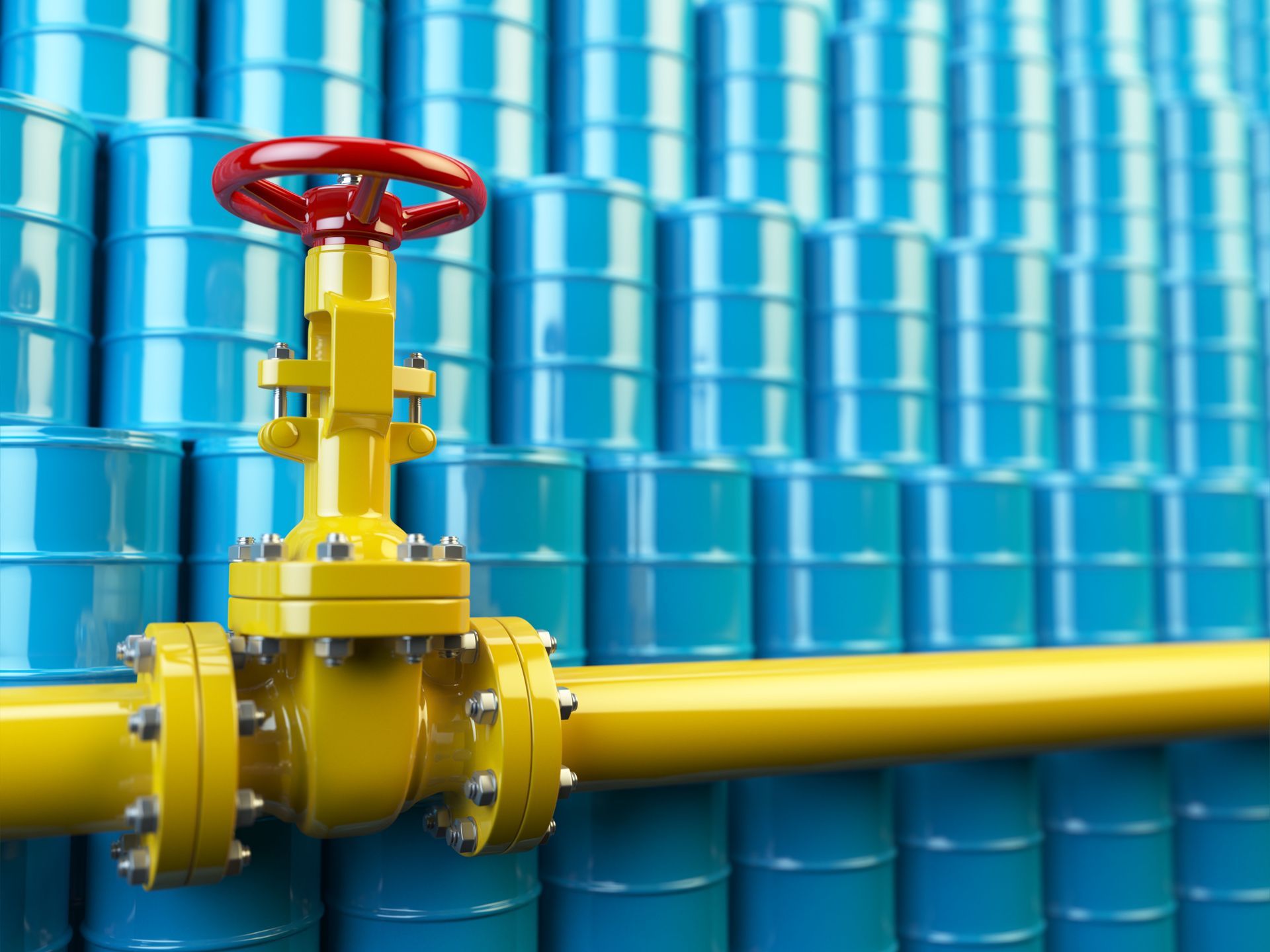
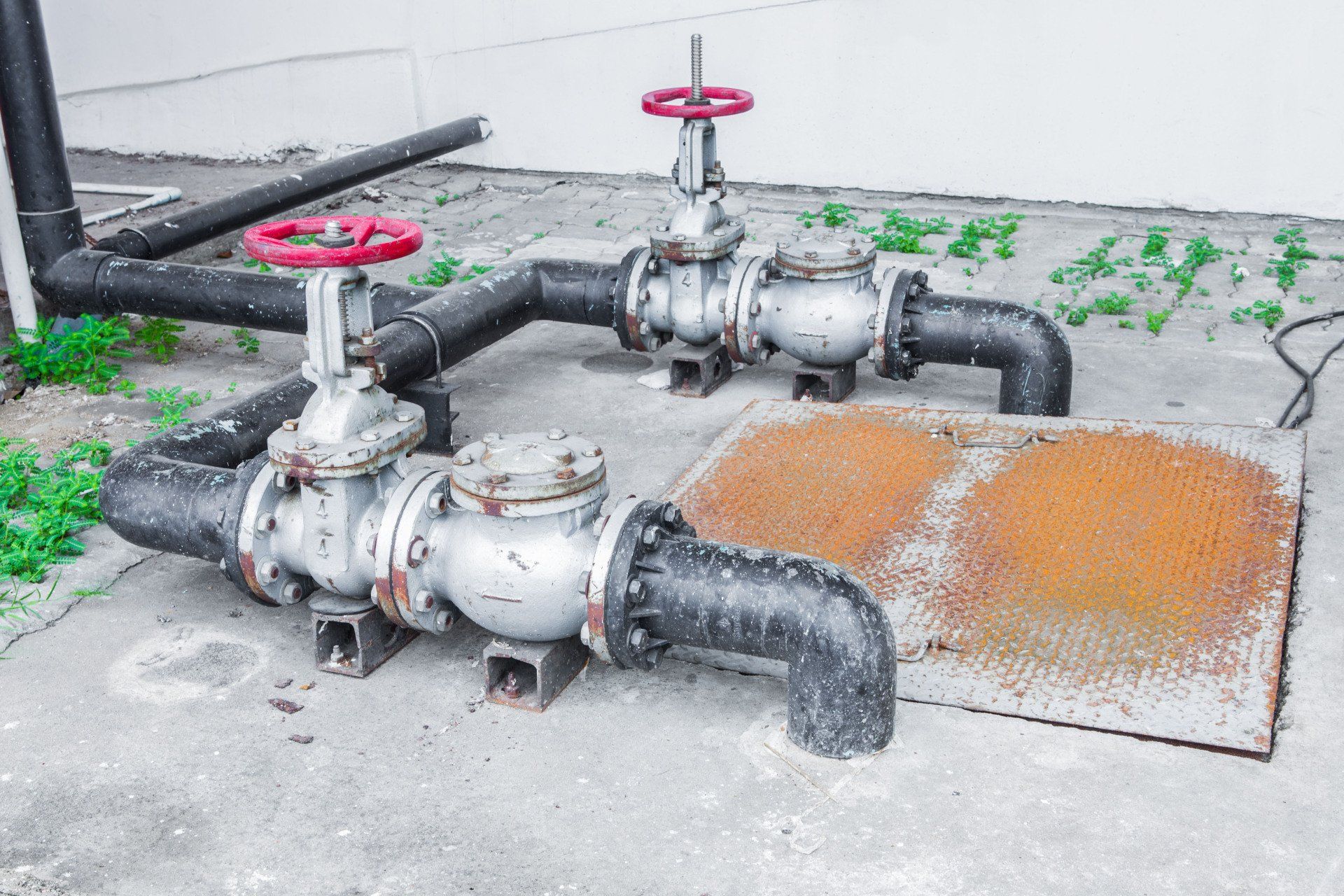
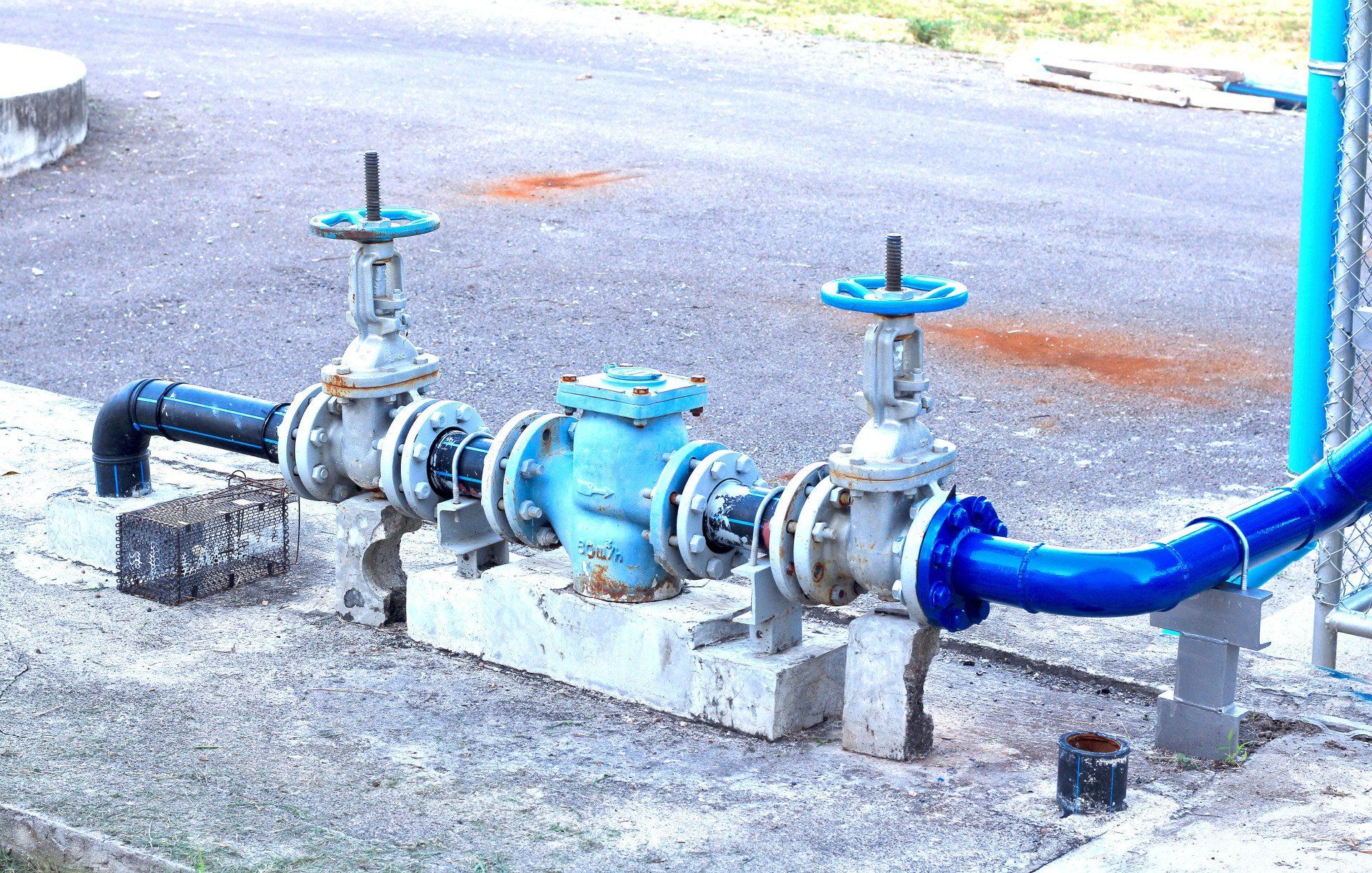
Different designs serve different purposes, and understanding their functions helps industrial buyers identify suitable options. Gate designs are generally used for on-and-off service, where the primary goal is to allow or stop flow rather than regulate it continuously. When fully open, they can provide a relatively unobstructed passage, depending on the design and installation.
Globe designs are commonly used when flow regulation is required. Their internal configuration supports adjustments to the flow rate, although pressure loss and operating conditions must be evaluated for the specific application. These designs may be considered in systems where operators need more control over how much fluid passes through a line.
Ball designs use a rotating ball with a bore to control flow. They are often selected for applications requiring straightforward quarter-turn operation and reliable shutoff. Their suitability depends on the fluid, pressure and temperature ranges, sealing requirements, and whether the application calls for simple isolation or more specialized control.
Butterfly designs use a rotating disc within the flow path. Their compact construction can be advantageous in larger pipelines where space and weight matter. They are used in a range of industrial settings, but the appropriate materials, pressure limits, and sealing characteristics must match the application.
Check valves help prevent reverse flow, protecting pumps and supporting stable system operation. Their suitability depends on flow conditions and installation requirements. Because valves serve different purposes, evaluating operating goals, system layouts, and performance needs helps industrial teams select appropriate equipment for reliable, efficient operation.
Evaluating Materials and Construction
Material selection is just as important as design. Industrial components may be manufactured from carbon steel, stainless steel, brass, bronze, or specialized alloys, depending on the application. Each material offers different characteristics in terms of strength, corrosion resistance, temperature tolerance, and compatibility with the process fluid.
Stainless steel may be appropriate for certain environments where corrosion resistance is important, while carbon steel is used in many applications that require strength and durability. However, neither material is universally suitable. Chemical composition, concentration, temperature, and exposure conditions all influence material performance. Engineers should verify compatibility against the manufacturer's specifications and relevant industry requirements.
Seals and internal components also deserve attention. Gaskets, seats, and packing materials must withstand the fluid and operating conditions without deteriorating prematurely. Incompatible materials can lead to leakage, maintenance issues, or reduced service life. Reviewing the complete assembly rather than only its outer body helps ensure that the selected equipment meets the system's requirements.
Connections must be compatible with the piping arrangement as well. Flanged, threaded, socket-weld, and butt-weld connections each have particular installation considerations. According to ScienceDirect, a weld neck flange consists of two separate components: a hub and a blade. Understanding connection components helps technical teams evaluate how equipment will integrate with the surrounding piping system.
The selection process should account for applicable pressure ratings, dimensional requirements, material standards, and manufacturer documentation. These details support compatibility and help reduce the risk of costly mismatches during installation or future maintenance.
Selecting Suitable Connection Types
The connection method influences how industrial equipment fits into a pipeline and how the assembly can be maintained. Flanged connections use bolted joints and gaskets, making them useful where access for inspection or disassembly is important. Their suitability depends on pressure, temperature, gasket selection, and the relevant flange standard.
Threaded connections may be used in certain smaller-diameter applications where operating conditions permit. They can offer a compact arrangement, but thread compatibility and sealing requirements must be considered carefully. They are not appropriate for every pressure, temperature, or service environment.
Welded connections can provide a permanent joint when designed and installed according to the applicable requirements. Butt-weld connections are often considered in piping systems where a continuous connection is desirable. However, welding introduces specific requirements for preparation, qualified procedures, inspection, and quality control.
Choosing among these options involves more than matching pipe dimensions. System pressure, vibration, maintenance needs, accessibility, and the consequences of leakage should inform the decision. Correctly specified valves and connection components help support dependable integration with the piping network.
Considering Automation and Control Needs
Industrial operations increasingly rely on automated systems to maintain process consistency and improve monitoring. Depending on the application, flow-control equipment may be operated manually or fitted with pneumatic, electric, or hydraulic actuators. The appropriate arrangement depends on how quickly the system must respond, the available utilities, environmental conditions, and control requirements.
Automated equipment can be useful where operators need remote control, repeatable positioning, or integration with a supervisory control system. However, automation introduces additional considerations, including actuator sizing, electrical classification, control signals, and the response required during a power or utility failure.
Safety requirements should guide the selection of control features. Some processes require equipment to move to a predetermined position when power is lost, while others may require a different response based on the hazard analysis. Engineers should define these requirements before choosing an actuator or control package.
Properly sized valves support stable flow control and reliable system performance. Maintenance needs, environmental exposure, and seasonal temperatures also affect equipment longevity. Following manufacturer recommendations, tracking service records, and evaluating lifecycle costs help facilities plan maintenance, minimize downtime, and select components that meet operational requirements over time.
Working with an experienced supplier can help technical teams review specifications, confirm product compatibility, and identify appropriate options. The goal is to select equipment that meets operational needs while supporting safe, predictable performance over time.
For help identifying industrial flow-control products suited to your system requirements, contact Hi Teck Valve Inc to discuss your application and explore suitable equipment options.
Share On: